
Brown Mao Tse Toung
A research-led conservation and sensitive retrofit that reopens Vann Molyvann’s former home as a living cultural destination.
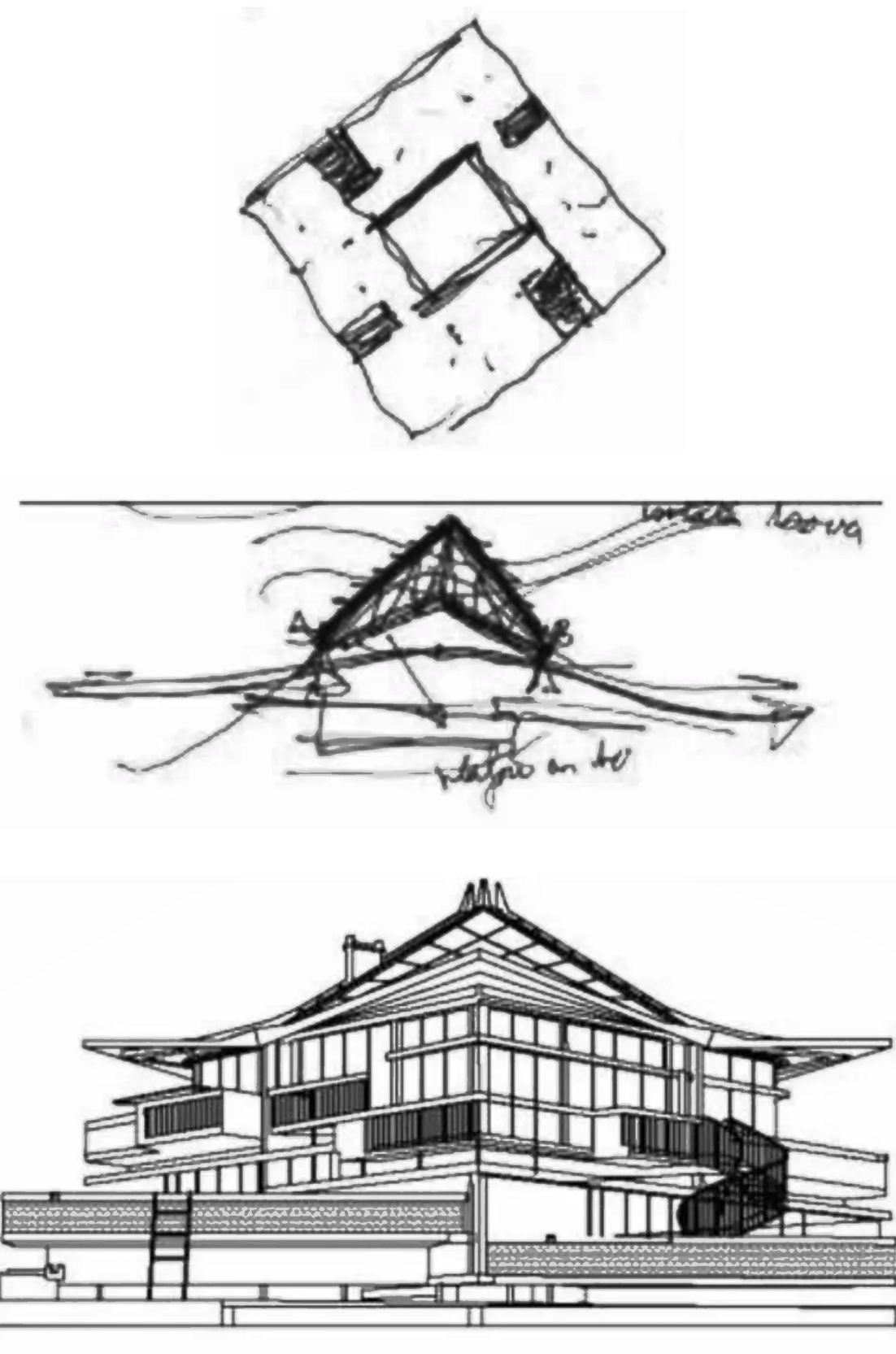
The project transforms the former residence of Cambodia’s most celebrated architect into a layered public place where coffee, conversation, and memory intersect. The aim was not to turn the house into “just a café,” nor to freeze it in time, but to preserve the spirit of the original design while welcoming new programs and communities. Decisions were guided by close study of archival drawings and photographs, informed by insights from Molyvann’s family and The Vann Molyvann Project.
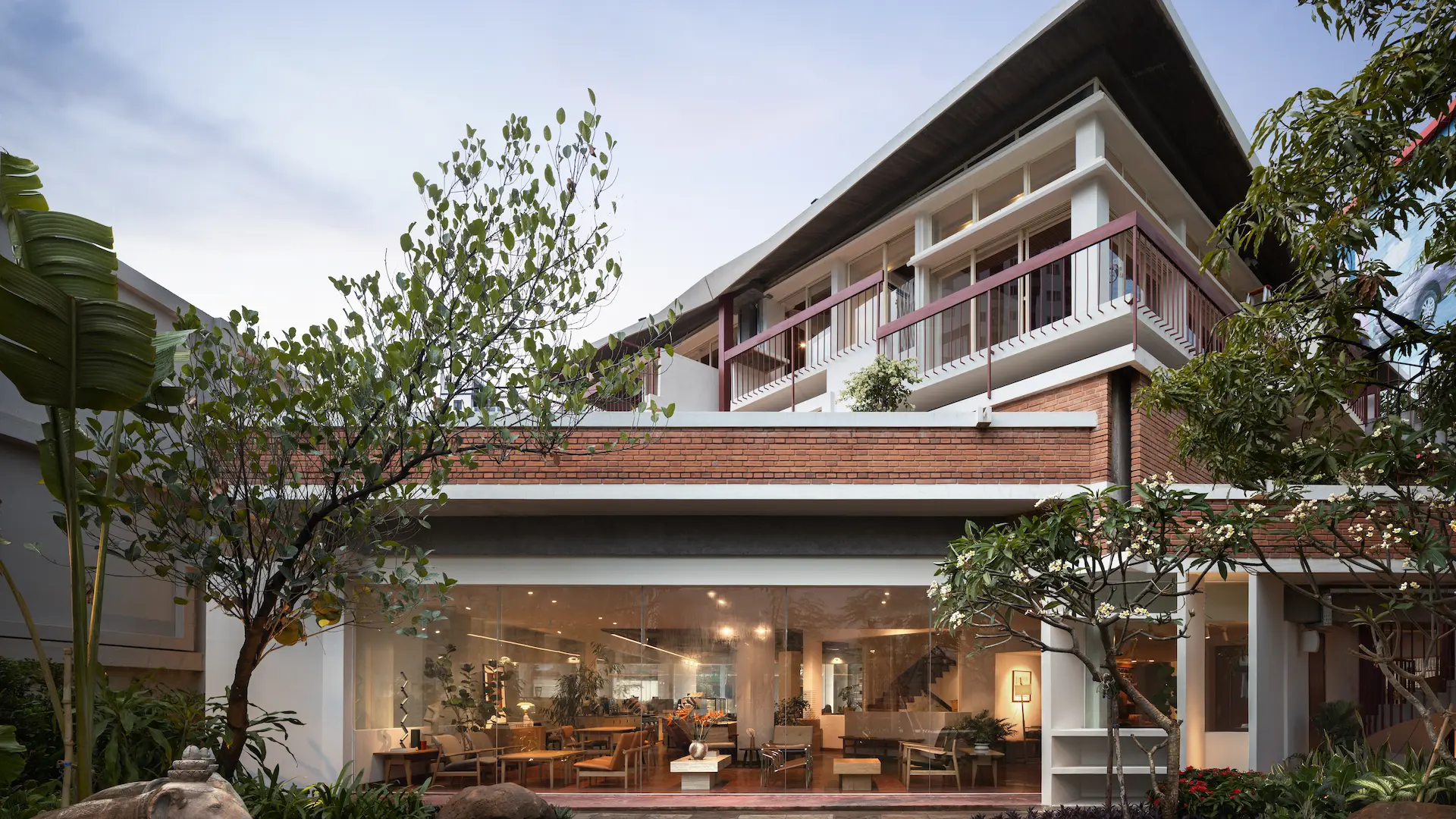
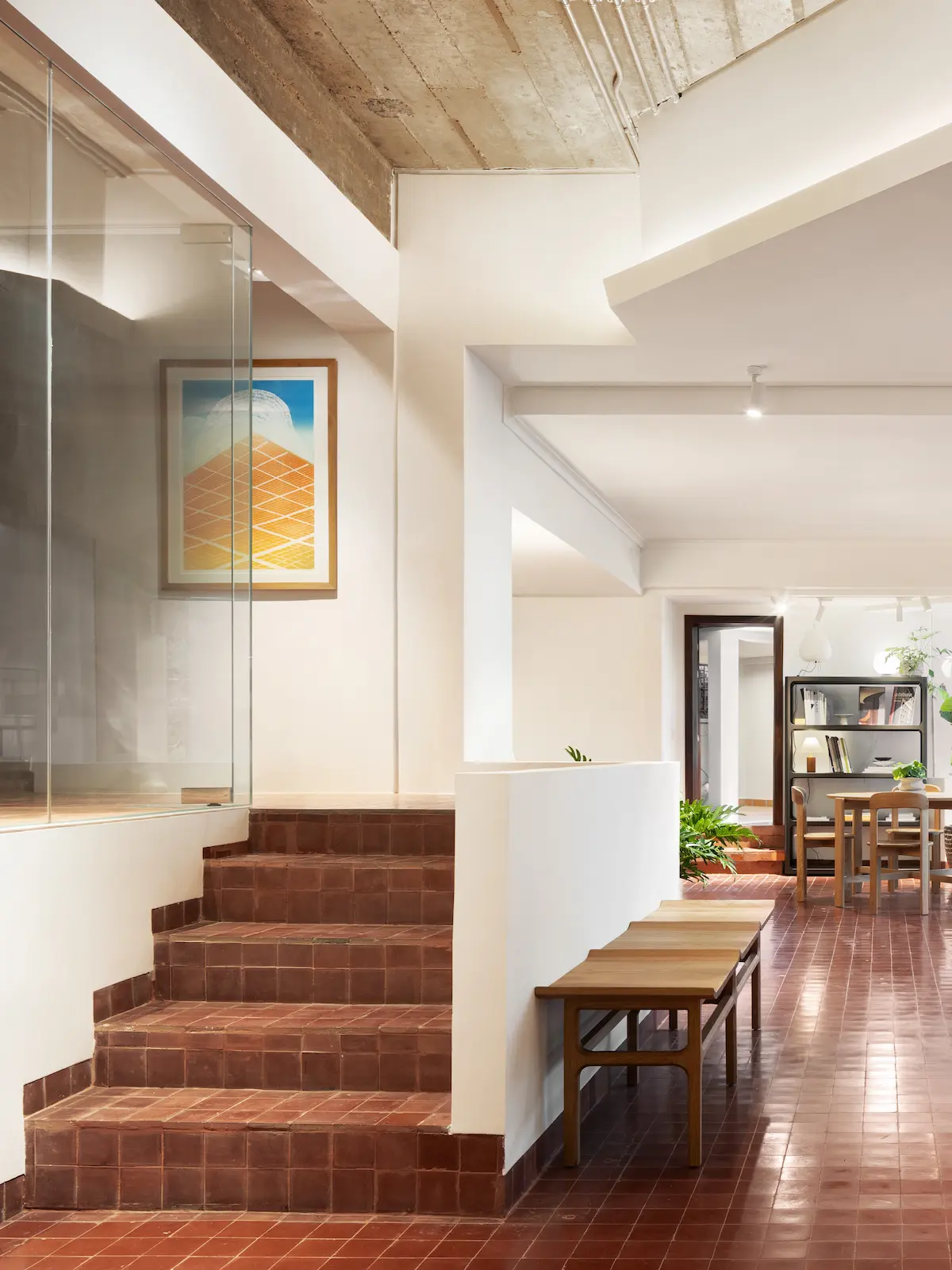
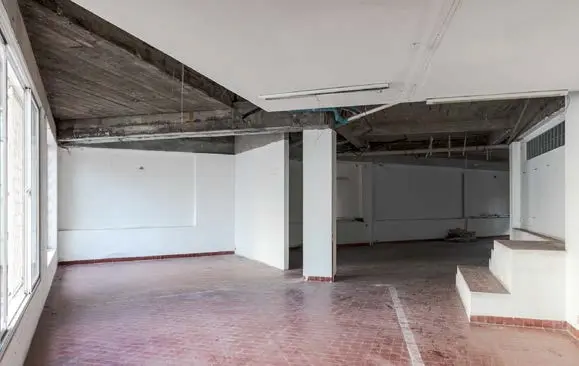
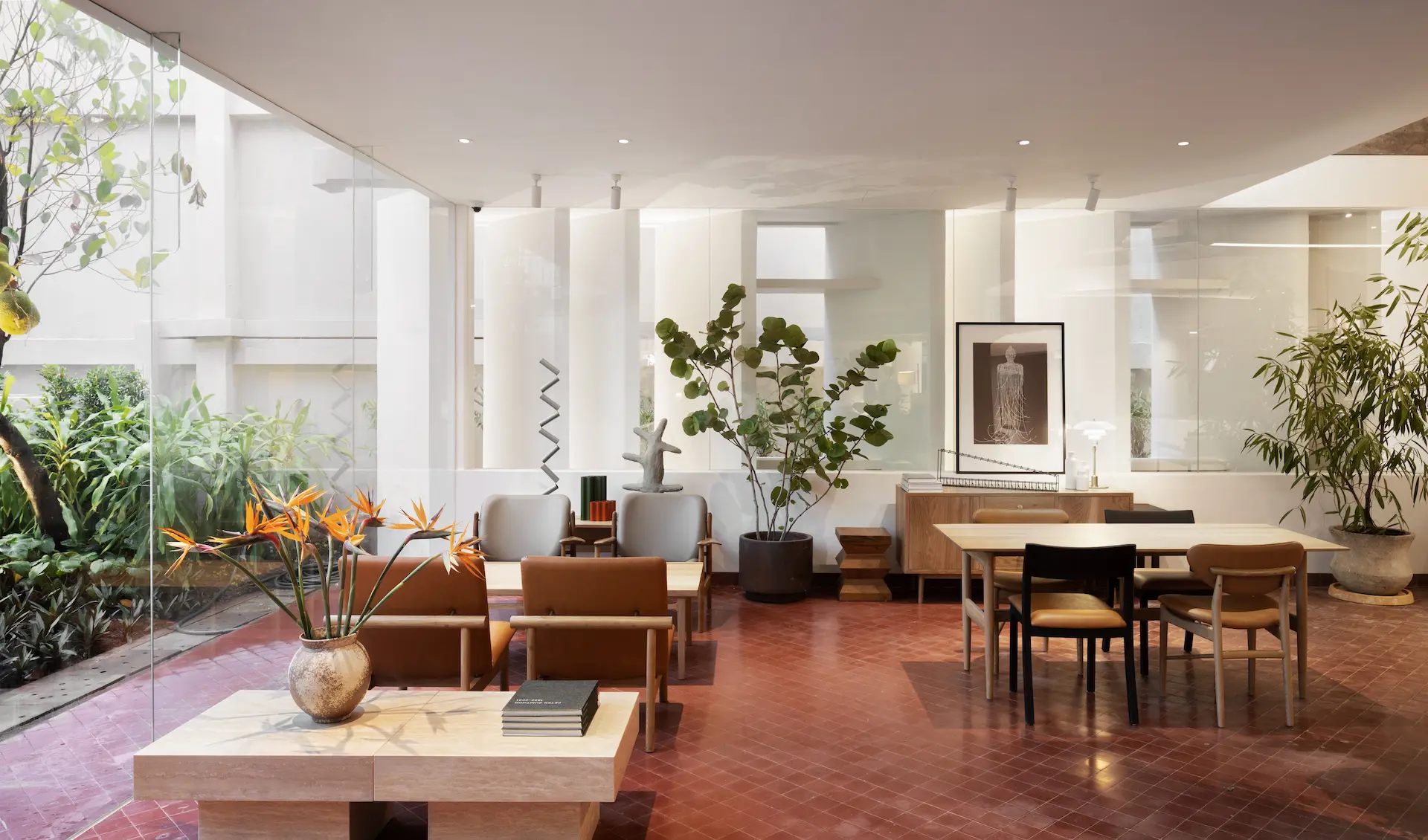
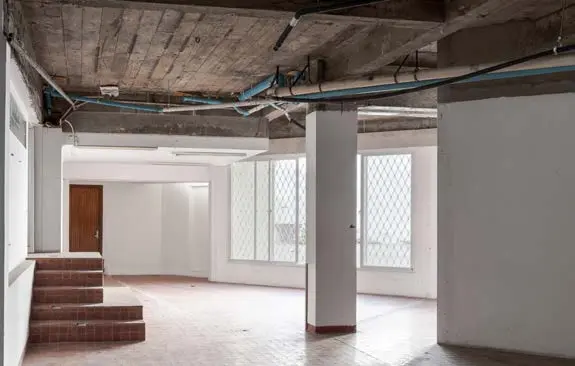
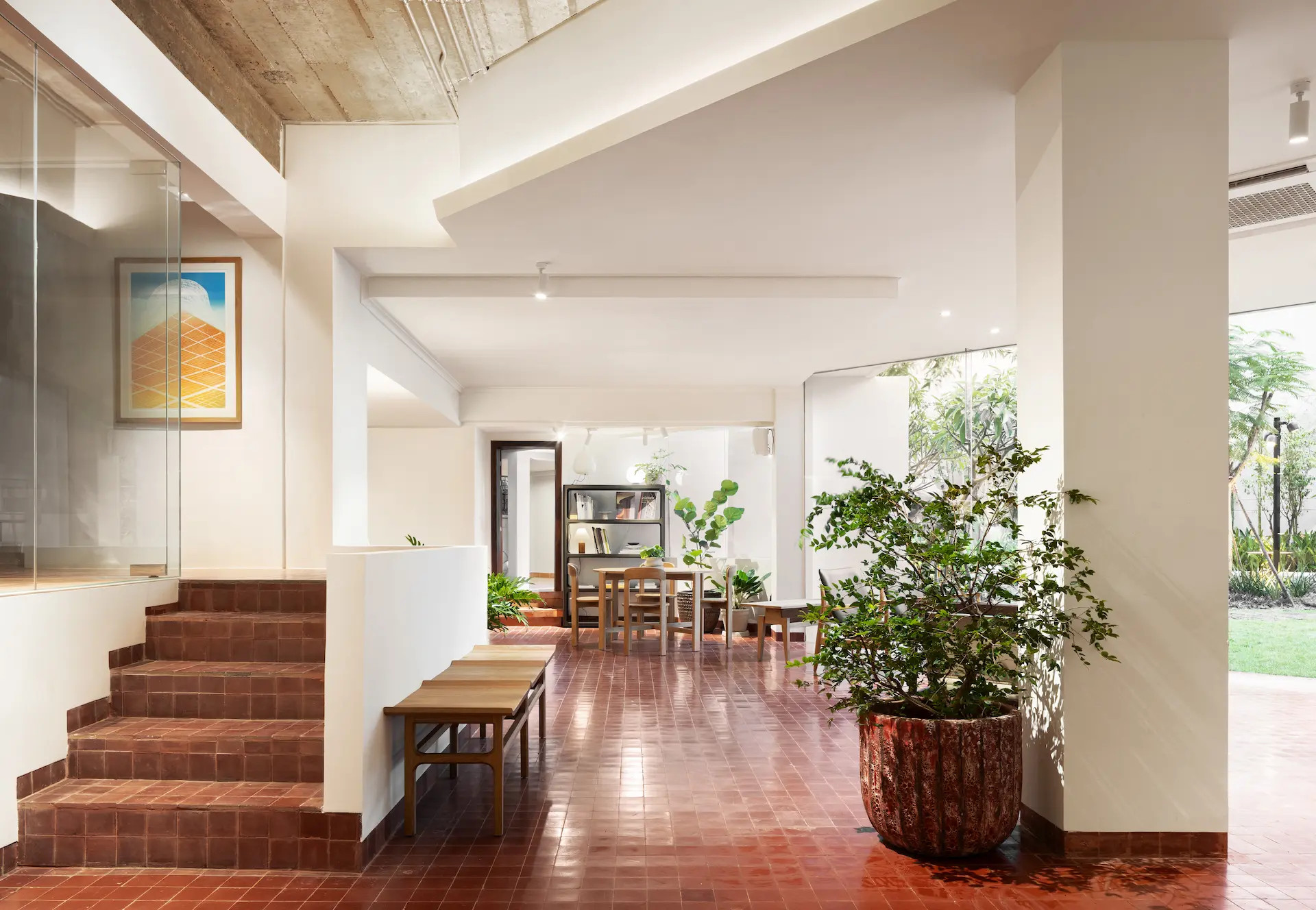
Conservation focused on targeted repairs and careful reinstatement of key elements, preserving integrity rather than making the building look new. Works included restoring original tones and finishes, replacing only damaged terracotta tiles, removing intrusive vegetation, and reinstating the original drainage system as part of Molyvann’s passive design.
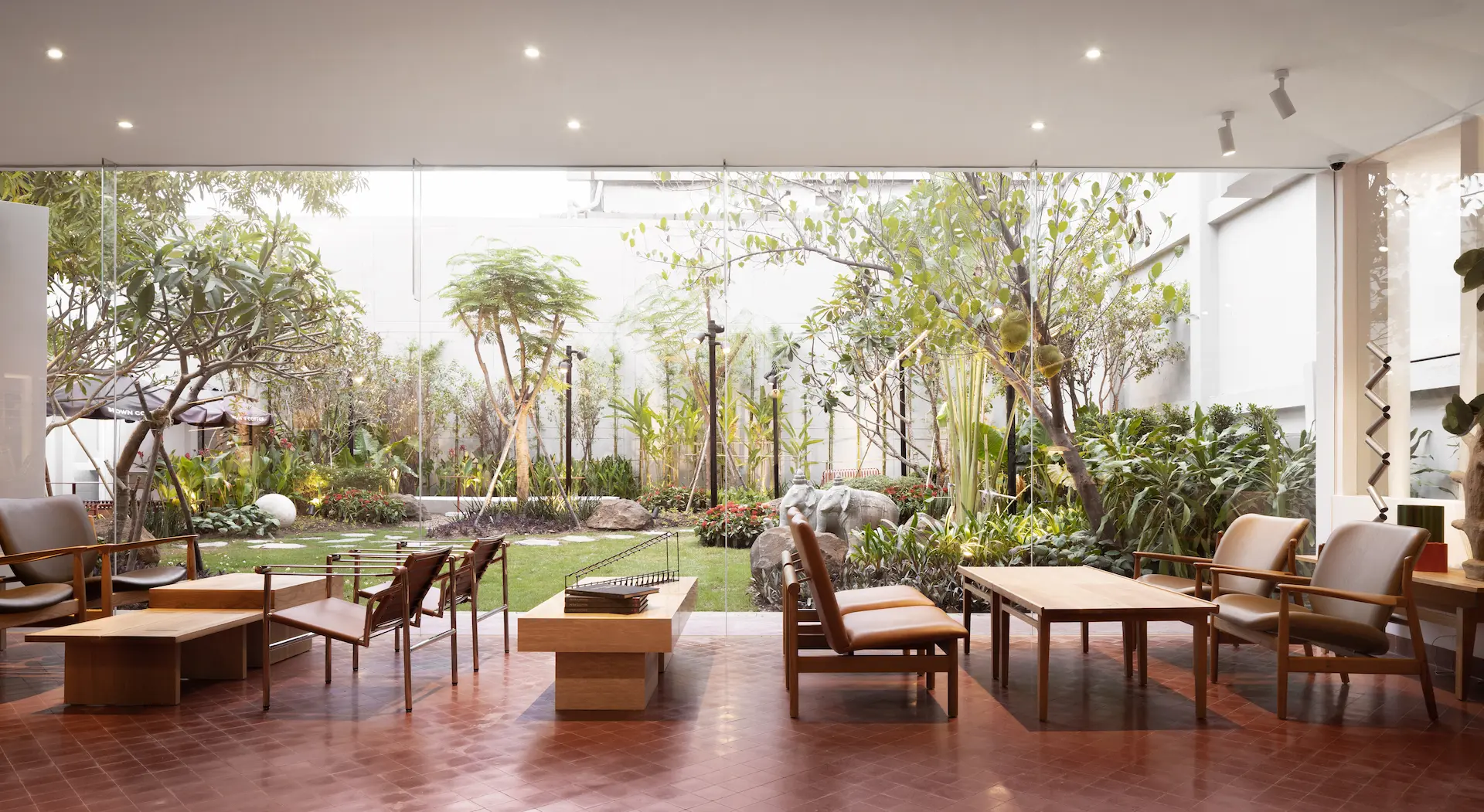
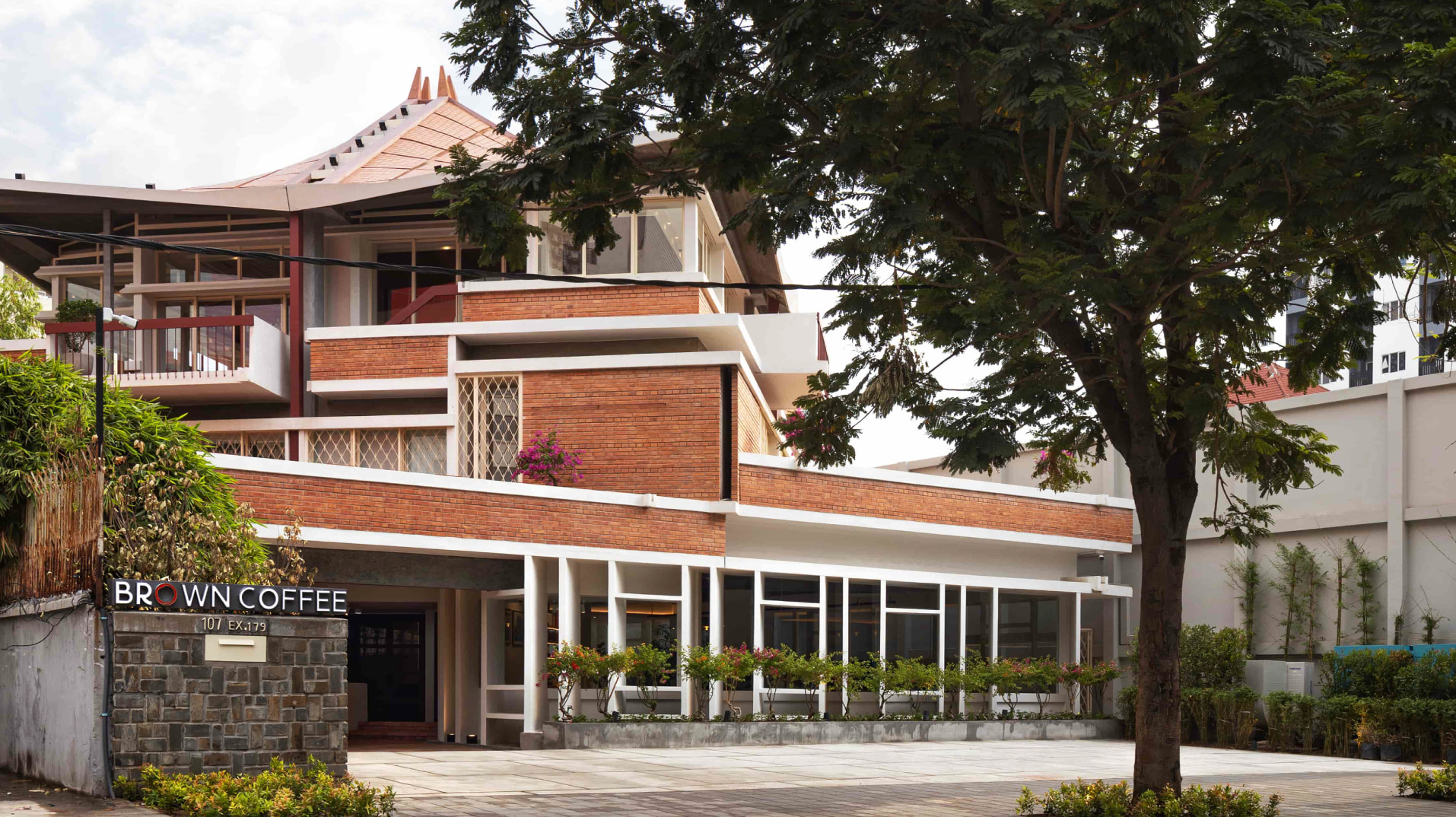
A key moment was the restoration of the brise-soleil, returning the facade to its intended proportion and expression. Inside, the staircase was brought back as a clear, sculptural centerpiece, while rooms were adapted to support a permanent archive and exhibition, meeting and research uses, and a flexible event space. The courtyard garden, previously paved over, was restored as the house’s green heart using a plant palette informed by archival reference.
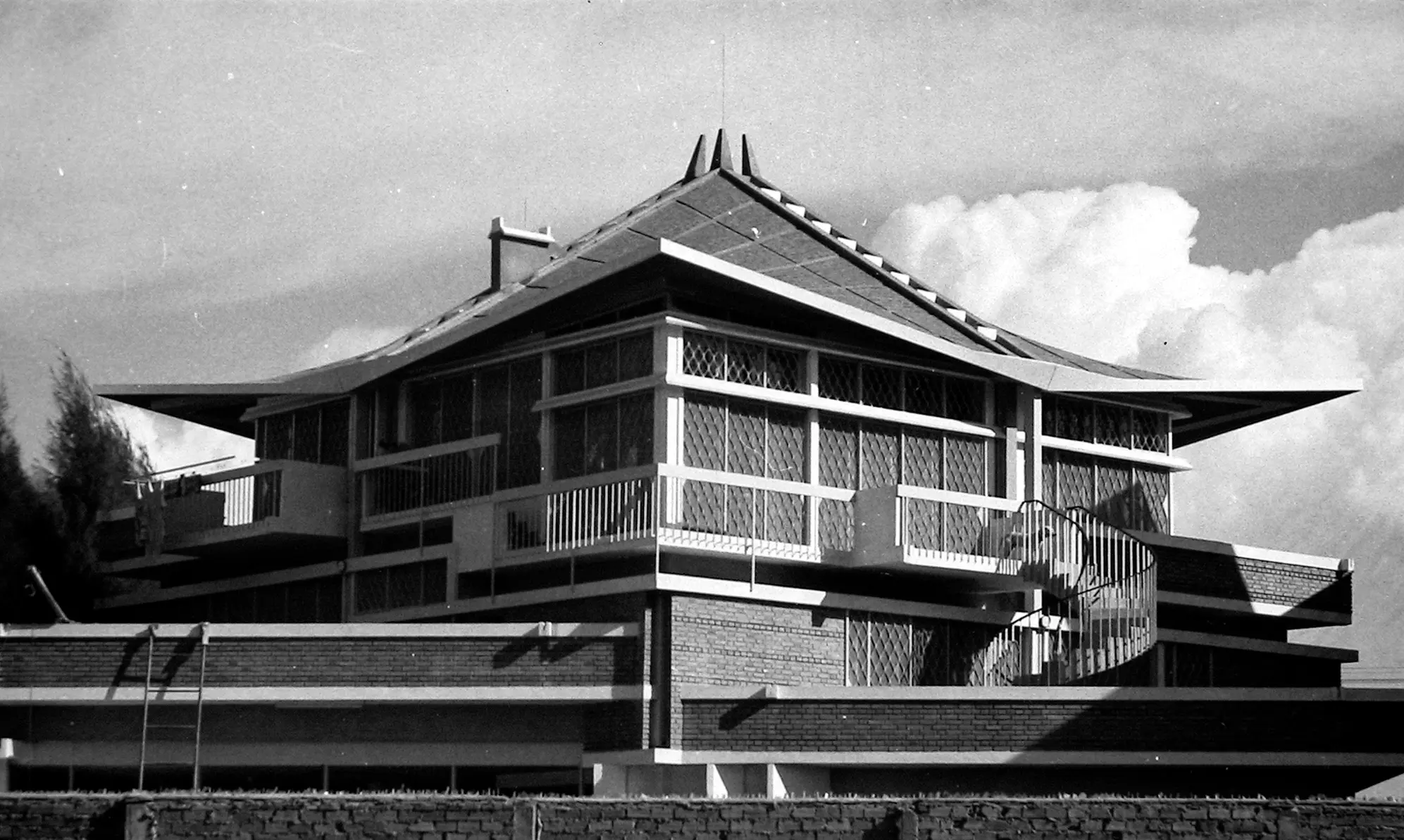
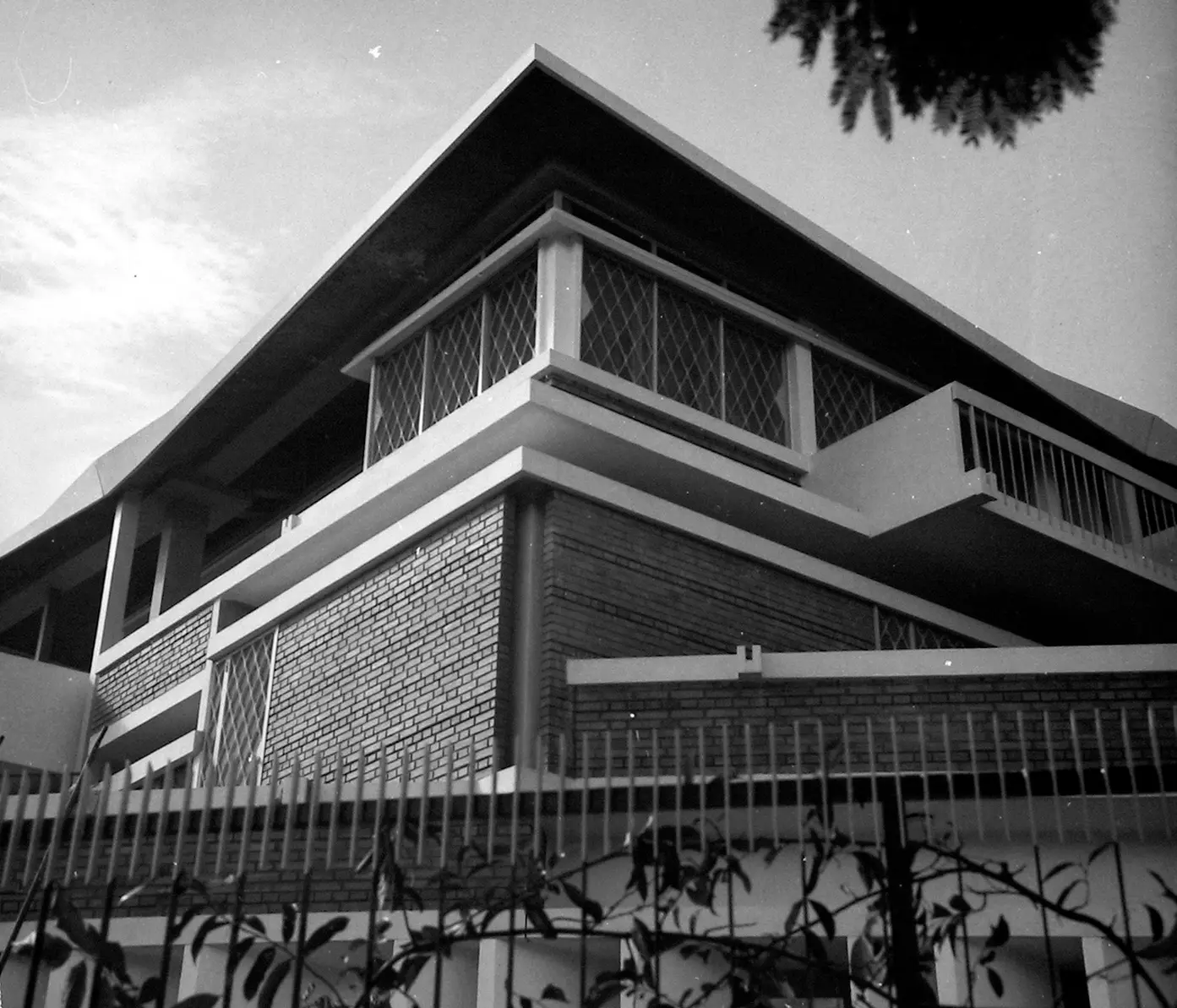
Scope of work:
Conservation and sensitive retrofit, archival research and documentation, spatial planning and adaptive reuse strategy, café integration, archive and exhibition planning, interpretive visitor journey, landscape restoration, material repair strategy, key element reinstatement (brise-soleil and drainage), community and cultural programming support.
Preserving a legacy through architecture
A precise, minimal intervention approach restores the house’s original spatial clarity and brings modernist heritage back into everyday public life.
Behind each gesture and decision, there is context, research, and intent. The work continues beyond what is visible: drawings, archival studies, documentation, and material explorations shape the foundation of this project.